Seiichi Mokuyasu*1, Risa Oshitanai*2, Toru Morioka*2, Yuki Saito*2, †Yasuhiro Suzuki*2
Mokuyasu S, Oshitanai R, Morioka T, Saito Y, Suzuki Y. Absolute lymphocyte count is a prognostic predictor in patients with recurrent HER2-negative breast cancer treated with eribulin. Lab Med Int 2023; 2(3): 50-59. doi: 10.51041/lmi.2.3_50
Original
Lab Med Int 2023; 2(3): 50-59
†Correspondence: Department of Breast Surgery, Tokai University Hachioji Hospital, Tokai University School of Medicine
1838 Ishikawa, Hachioji, Tokyo 192-0032, Japan
E-mail: luke-szk”@”is.icc.u-tokai.ac.jp
Received February 7, 2023; accepted October 5, 2023
*1 Department of Clinical Laboratory, Tokai University Hachioji Hospital, Tokyo, Japan
*2 Department of Breast Surgery, Tokai University Hachioji Hospital, Tokai University School of Medicine, Tokyo, Japan
ABSTRACT
Background: Absolute lymphocyte count (ALC) and neutrophil lymphocyte rate (NLR) as immune system and inflammatory markers have been suggested as prognostic factors in eribulin treatment. However, the respective cut-off values have not been determined. Hence, we investigated the relationship between overall survival (OS) and baseline ALC (bALC) and baseline NLR (bNLR) in eribulin-treated patients with human epidermal growth factor receptor 2 (HER2)-negative breast cancer (BC) by using 2 types of cut-off values for each.
Methods: Univariate and multivariate analyses were performed to investigate the association of bALC and bNLR with OS among 114 female patients with HER2-negative BC treated with eribulin.
Results: The OS of patients with HER2-negative BC was compared based on bALC (cut‑off value: 1,200/μL and 1,500/μL) and bNLR (cut‑off values: 2 and 3). A significant difference was observed in median OS between patients with bALC of ≥1,200/μL and those with bALC of < 1,200/μL (hazard ratio [HR]: 0.596 [0.395, 0.889], p = 0.014). For bNLR (cut‑off value: 2), the median OS was significantly higher in patients with a bNLR of < 2 than in those with a bNLR of ≥2 (HR: 0.629 [0.406, 0.974], p = 0.038).
Conclusions: Patients with HER2-negative BC with a bALC of ≥1,200/μL showed a longer OS than patients with a bALC of < 1,200/μL, thus suggesting that survival prediction using bALC was effective for eribulin-treated patients with recurrent HER2-negative BC. It should be noted that the optimal cut-off value for ALC may change depending on the target patient group.
〔Lab Med Int 2023; 2(3): 50-59〕
Key Words
absolute lymphocyte count, neutrophil lymphocyte rate, HER2-negative breast cancer, eribulin, overall survival
I. Introduction
Breast cancer (BC) is the most commonly diagnosed cancer and the leading cause of cancer-related deaths in women worldwide. Approximately 2.1 million females were newly diagnosed with BC in 2018 globally, accounting for almost 1 in 4 female cancer cases 1). Breast cancer-related mortality is increasing annually worldwide 2).
Eribulin mesylate (eribulin) is a non-taxane microtubule dynamic inhibitor 3)4). In Japan, eribulin is used to treat inoperable or recurrent BC 5). In a phase 3 study (EMBRACE trial), eribulin-treated patients presented significantly longer overall survival (OS) than the patients administered with their physician’s therapy of choice 6).
Absolute lymphocyte count (ALC) and neutrophil lymphocyte rate (NLR) are immune system and inflammatory markers and have been reported as indicators of the effectiveness of eribulin therapy7)8). Reportedly, a high ALC and low NLR could predict the survival of eribulin-treated patients with BC 9)10). However, the respective cut-off values have not been determined. Assessment of the tumor microenvironment is important for BC therapy, and eribulin has tumor immunotherapeutic effects on the microenvironment.
It has been suggested that eribulin has a vascular remodeling effect on the microenvironment 11), an inhibitory epithelial–mesenchymal conversion effect on cancer cells 12)13), and an immune effect on cancer cells 14)15). Patients with relapsed BC who have been previously treated need treatment that is highly effective in prolonging their lives. Because eribulin is an expensive drug, selecting patients who are likely to benefit from eribulin using simple indicators such as ALC may contribute to drug burden, quality of service, and better prognosis. Therefore, in order to increase the therapeutic benefits of eribulin, it is important to investigate the relationship between baseline ALC (bALC) and baseline NLR (bNLR) and the OS, and to determine an index that predicts the therapeutic effect of recurrent BC.
In this study, we retrospectively analyzed the association between bALC and bNLR and survival in eribulin-treated patients with recurrent HER2-negative BC. Moreover, the relationships between metastasis and OS on the basis of bALC and bNLR were retrospectively investigated. We examined the optimal cut-off values for the patients included in this study.
II. Materials and methods
Study design
The study design was approved by the Institutional Review Board of Tokai University School of Medicine (approval number 22R025). This study was conducted in accordance with the tenets of the Declaration of Helsinki. Obtaining informed consent was expected to be difficult because the subjects were patients who were examined previously. Therefore, an information disclosure document on “research purpose, method, opportunity to refuse research participation, and contact information” was publicized.
Patients
Women with HER2-negative BC (n = 114; median age 59.0, range 31–84, years) diagnosed with recurrent BC and treated with eribulin at the Department of Breast Surgery at Tokai University Hospital in August 2011–May 2017 were examined in this study.
On day 1 (start of eribulin therapy; i.e., baseline), the standard dose of eribulin according to the package insert (1.4 mg/m2 body surface area) was administered intravenously over 2–5 min once weekly. This treatment was administered for 2 consecutive weeks, followed by no treatment in week 3 as one cycle, and the treatment was repeated for several cycles (8 cycles on average). The starting dose of eribulin was reduced per the discretion of the physician to avoid toxicity (1.1 mg/m2).
The bALC and bNLR were measured within 3 days of the initial administration of eribulin. We analyzed the data of only the patients with available data on bALC and bNLR. No other exclusion criteria were set.
ALC and NLR calculation and cut‑off values
The bALC and bNLR were measured using blood samples collected within 3 days before the initial administration of eribulin. The NLR was calculated by dividing the absolute count of neutrophils by the ALC.
In order to exclude the effects of anti-HER2 therapy, we used 2 types of cut-off values for bALC and bNLR to study whether these biomarkers are associated with OS in eribulin-treated patients with recurrent HER2-negative BC.
A previous studies selected the cut-off values for bALC and bNLR based on values used in other studies or those obtained from receiver operating characteristic curve analyses or the median of the patients 16). Therefore, the cut-off values selected for ALC were 1,200/μL, which was the median value for the patients in this study, and 1,500/μL, which was the cut-off value used in previous studies 9)17). The NLR cut‑off values were 2, which was the median of the patients in this study, and 3, which was the cut-off in previous studies 10)17).
Statistical analyses
All analyses were performed using the data of patients with available and evaluable bALC and bNLR data.
In this study, we divided the patients based on bALC cut-off values of < 1,200/μL, ≥ 1,200/μL, < 1,500/μL, and ≥ 1,500/μL, and bNLR cut-off values of < 2, ≥ 2, < 3, and ≥ 3.
OS was defined as the time from the first dose of eribulin to death, or to the last date when the patient was confirmed to be living (censored).
To investigate the latent factors that affect OS, univariate and multivariate Cox regression analyses were performed. The univariate model was used to analyze the hazard ratio (HR) and 95% confidence interval (CI) of various factors. Furthermore, a multivariate Cox regression analysis was performed to evaluate the factors that influence OS.
In order to perform an OS analyses on the basis of bALC or bNLR, Kaplan–Meier curves were drawn to analyze the survival rate of various groups. The median OS (95% CI) was estimated. The Cox proportional hazard model was used to estimate the HR and 95% CI of ALC < 1,200/μL vs. ≥ 1,200/μL and < 1,500/μL vs. ≥ 1,500/μL. The HR and 95% CI for NLR ≥ 2 vs. < 2 and ≥3 vs. < 3 were similarly estimated.
Kolmogorov–Smirnov test was used to assess the normality of distribution of continuous variables. Two-tailed p < 0.05 were considered as statistically significant. The sample size of 114 was based on 80% power and a 0.05 significance level. Statistical analyses were conducted using SPSS software version 26.0 (IBM Corp., Armonk, NY, USA).
III. Results
Patient characteristics
With January 31, 2021 as the last observation point, the mean observation period ± standard deviation (SD) was
630.5 ± 588.7 (11–2282) days, and the median OS was 457.5
days. The data of the 114 eribulin-treated patients with HER2-negative BC with available bALC and bNLR data were analyzed. The bALC values were as follows: 55 patients, < 1,200/μL; 59 patients, ≥ 1,200/μL; 79 patients, < 1,500/μL; and 35 patients, ≥ 1,500/μL. The bNLR values were as follows: 42 patients, < 2, 72 patients, ≥ 2, 74 patients, < 3, and 40 patients, ≥ 3 (Table 1). The duration of eribulin therapy (mean ± SD) in days for patients with a bALC of < 1,200/μL, ≥ 1,200/μL, < 1,500/μL, and ≥ 1,500/μL was 172.4 ± 166.0, 173.6 ± 165.6 (p = 0.106), 170.6 ± 181.8, and 171.7 ± 144.9 days (p = 0.453), respectively. The duration of eribulin therapy in days for patients with a bNLR of < 2, ≥ 2, < 3, and ≥3 was 178.4 ± 168.8, 172.4 ± 165.6 (p = 0.158), 184.0 ± 185.2, and 146.7 ± 139.0 (p = 0.219), respectively.
Factors affecting OS in patients with HER2-negative BC on eribulin
Table 2 shows the results of the univariate and multivariate Cox regression analyses of the factors affecting OS. The univariate Cox regression analysis identified progesterone receptor (PgR) status, bone metastasis, bALC (cut‑off value: 1,200/μL), and bNLR (cut‑off value: 2) (p = 0.005, p = 0.006, p = 0.014, and p = 0.038) as independent factors that affect OS. Furthermore, the multivariate regression analysis identified PgR status (p = 0.001), bone metastasis (p < 0.001), and bALC (cut‑off value: 1,200/μL) (p = 0.042) as independent factors that affect OS.
Comparison of OS by bALC and bNLR
Figure 1 displays the Kaplan–Meier survival curves based on the bALC cut-off value of 1,200/μL and bNLR cut‑off value of 2 in patients with HER2-negative BC. The median OS (95% CI) was significantly higher in patients with ALC ≥ 1,200/μL than in patients with ALC < 1,200/μL (676.0 [470.1, 881.9] vs. 361.0 [205.2, 516.8] days) (HR: 0.596 [0.395, 0.899], p = 0.014) (Fig. 1a). A significant difference was found in the median OS (95% CI) between patients with bNLR ≥ 2 (371.0 [221.5, 520.5] days) and those with NLR < 2 (676.0 [463.8, 888.2] days) (HR: 0.629 [0.406, 0.974], p = 0.038) (Fig. 1b). Figure 2 displays the Kaplan–Meier survival curves based on the bALC cut-off value of 1,500/μL and bNLR cut‑off value of 3 in patients with HER2-negative BC. The median OS (95% CI) was not significantly different between patients with ALC ≥ 1,500/μL and those with ALC < 1,500/μL (523.0 [344.1, 701.9] vs. 459.0 [328.9, 589.1] days) (HR: 0.776 [0.490, 1.229], p = 0.280) (Fig. 2a). A significant difference was not found in the median OS (95% CI) between patients with bNLR ≥ 3 (365.0 [45.2, 684.8]) and those with NLR < 3 (499.0 [323.0, 675.0] days) (HR: 0.750 [0.491, 1.147], p = 0.185) (Fig. 2b).
Relationship between metastasis and bALC and bNLR
Table 3 shows the results of the univariate and multivariate Cox regression analyses of the relationship between OS and bALC and bNLR in patients with less than three metastasized organs. There were no significant differences in the bALC and bNLR between patients with bALC and bNLR values above and those with values below the cut-off values of 1,200/μL and 1,500/μL, and 2 and 3, respectively. Similarly, Table 4 shows the results of the univariate and multivariate Cox regression analyses of the relationship between OS and bALC and bNLR in patients with three or more metastasized organs. The univariate Cox regression analysis identified PgR status, triple-negative status, and bALC (cut‑off value: 1,200/μL) as factors that affect OS (p = 0.002, p = 0.031, and p = 0.011, respectively). Furthermore, the multivariate Cox regression analysis identified PgR status (p = 0.004) and bALC (cut‑off value: 1,200/μL) (p = 0.003) as independent factors that affect the OS.
Relationship between OS by bALC and bNLR and the number of chemotherapy regimens
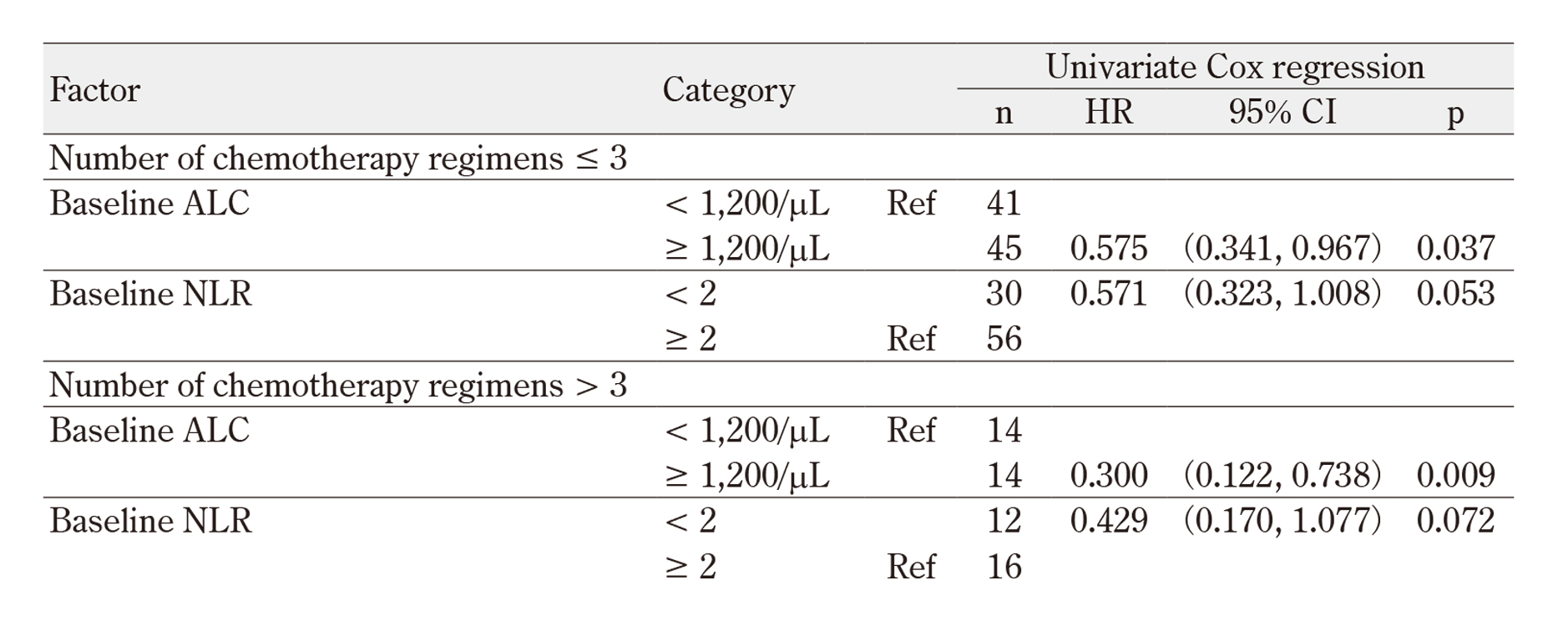
Table 5 shows the effects of the number of chemotherapy regimens on the bALC and bNLR. When the number of chemotherapy regimens was ≤ 3 or > 3, only bALC (cut‑off value: 1,200/μL) showed a significant difference in the median OS (95% CI) (p = 0.037 and p = 0.009). However, the bNLR did not show a significant difference in the median OS (95% CI) (p = 0.053 and p = 0.072).
Table 1 Patient characteristics by baseline ALC and NLR in patients with HER2-negative breast cancer.
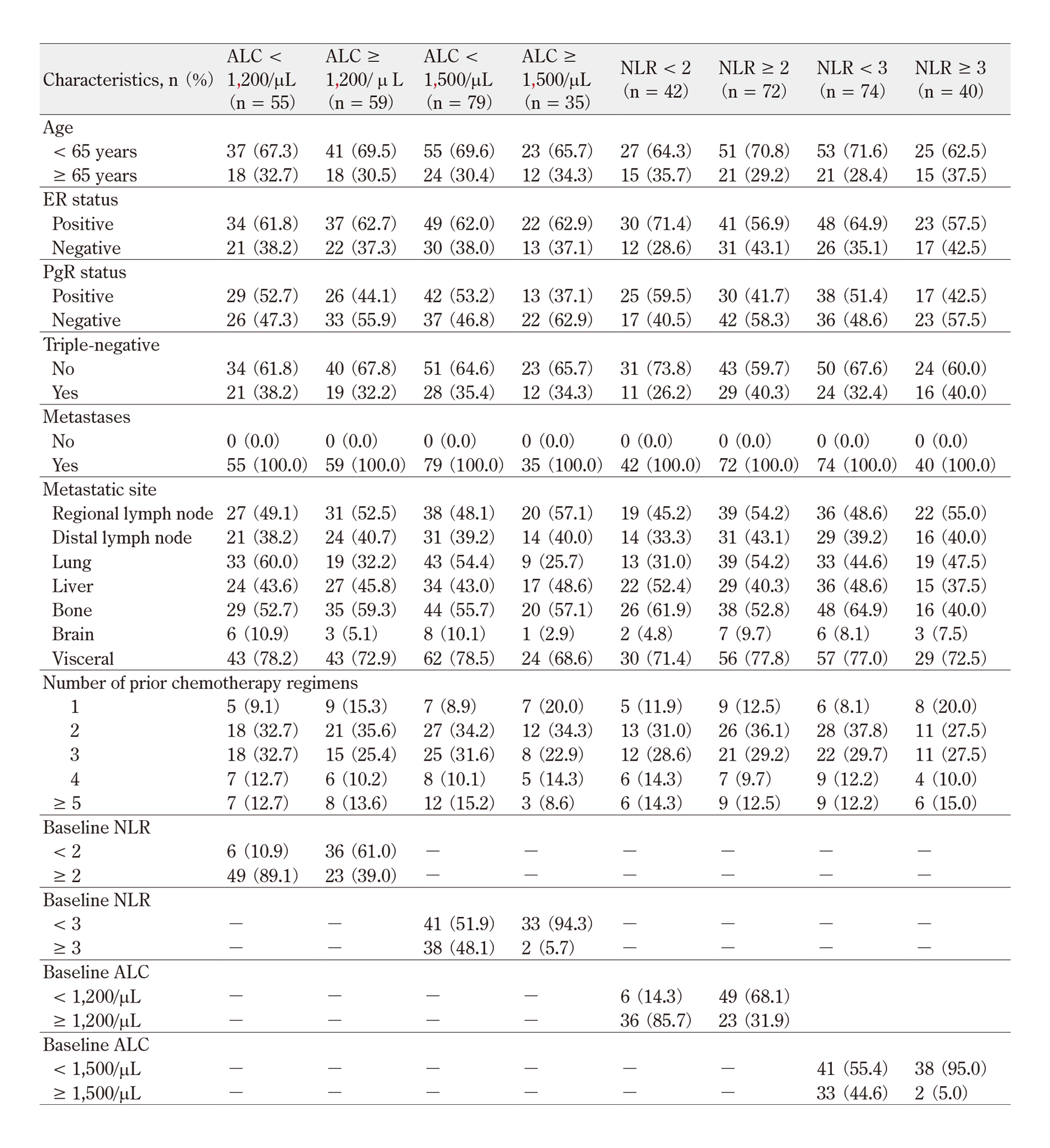
Table 2 Univariate and multivariate Cox regression:
factors affecting overall survival in patients with HER2-negative breast cancer
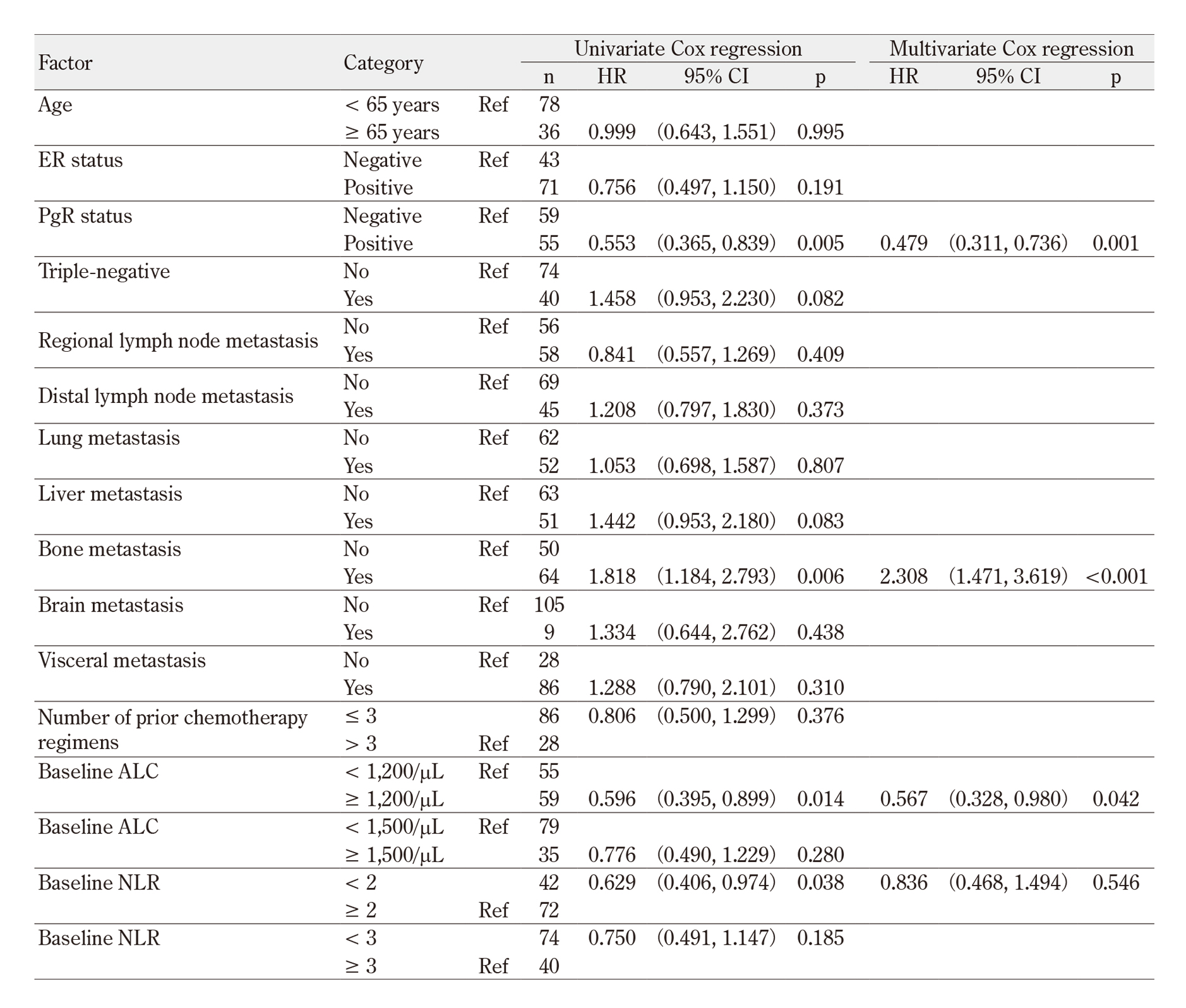
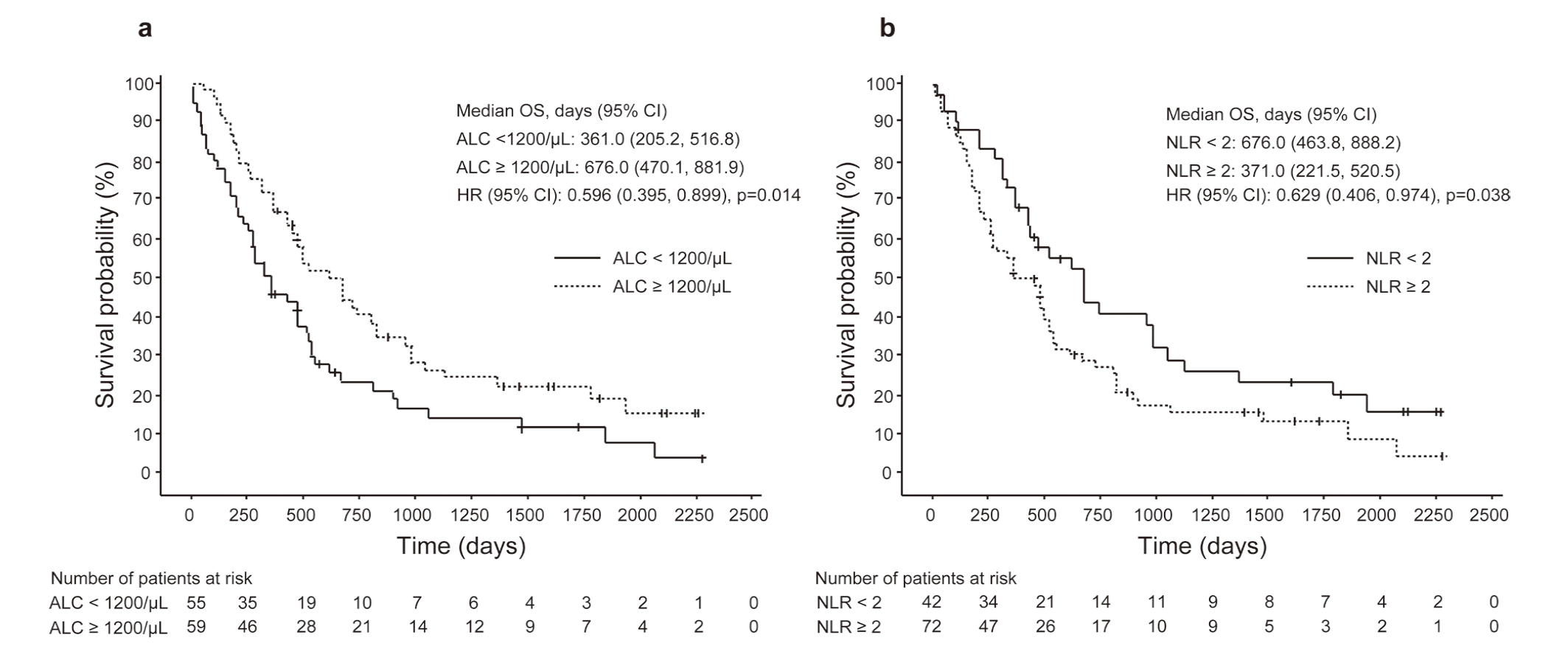
Figure 1
(a) shows the Kaplan–Meier survival curve displaying the relationship between bALC (cut-off value: 1,200/μL) and OS in patients with HER2-negative BC. Patients with ALC ≥ 1,200/μL showed a significantly longer OS than patients with ALC < 1,200/μL.
(b) shows the Kaplan–Meier survival curve displaying the relationship between bNLR (cut-off value: 2) and OS in patients with HER2-negative BC. Patients with NLR < 2 showed a significantly longer OS than patients with NLR ≥ 2.
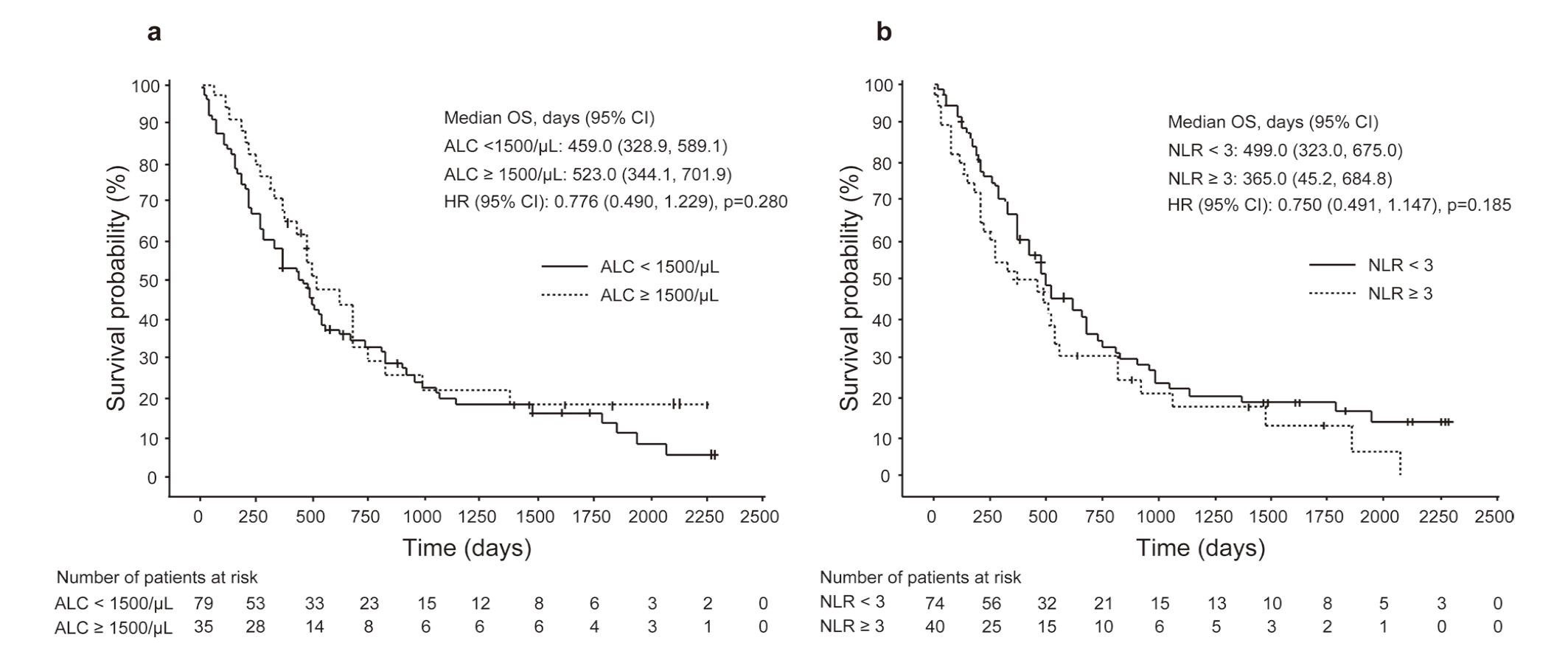
Figure 2
(a) shows the Kaplan–Meier survival curve displaying the relationship between bALC (cut-off value: 1,500/μL) and OS in patients with HER2-negative BC. No significant difference was observed between patients with ALC ≥ 1,500/μL and ALC < 1,500/μL.
(b) shows the Kaplan–Meier survival curve displaying the relationship between bNLR (cut-off value: 3) and OS in patients with HER2-negative BC. No significant difference was observed between patients with NLR < 3 and patients with NLR ≥ 3.
Table 3 Univariate and multivariate Cox regression:
factors affecting overall survival in patients with HER2-negative and < 3 metastatic organ breast cancer
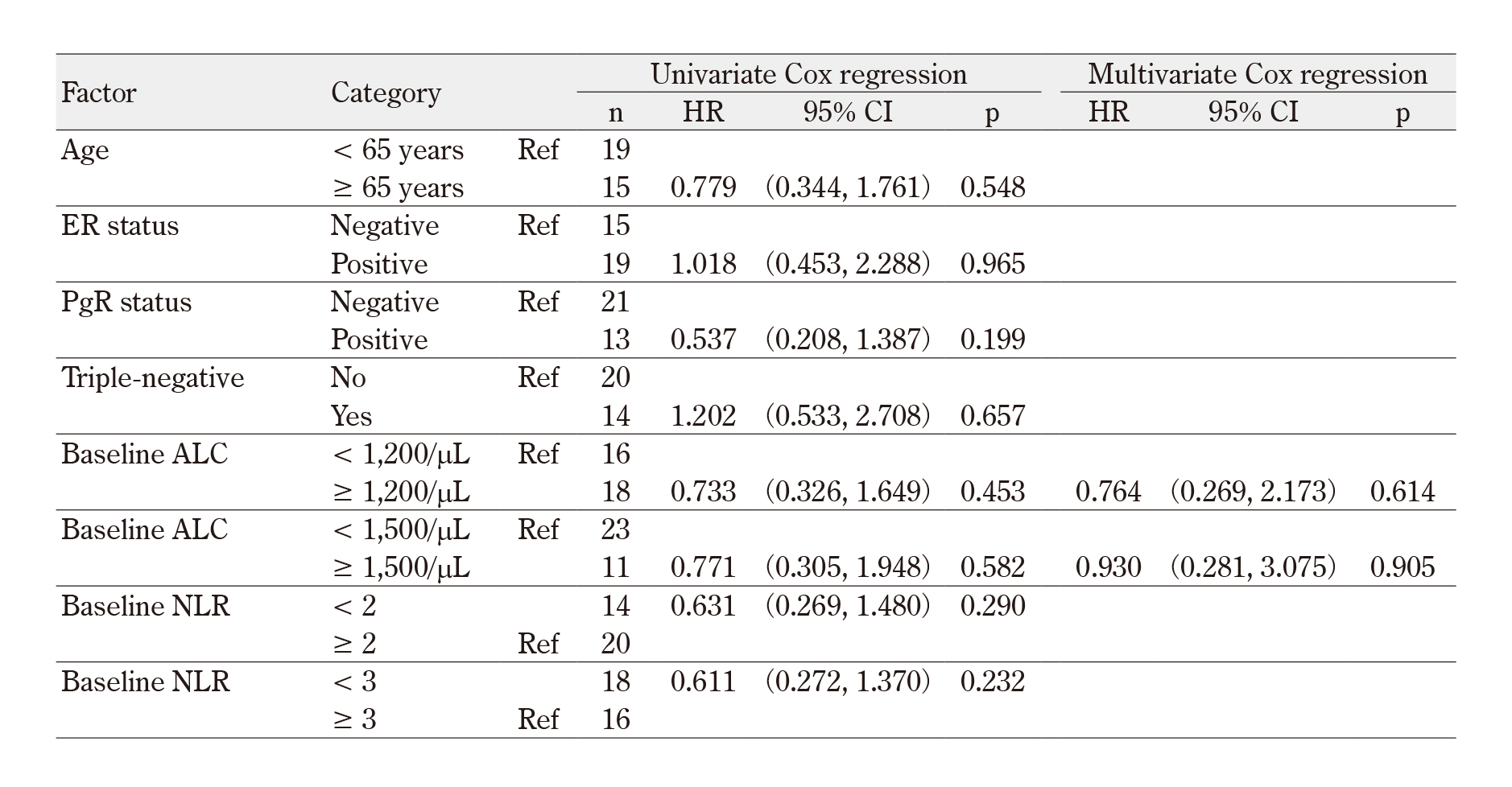
Table 4 Univariate and multivariate Cox regression:
factors affecting overall survival in patients with HER2-negative and ≥3 metastatic organ breast cancer
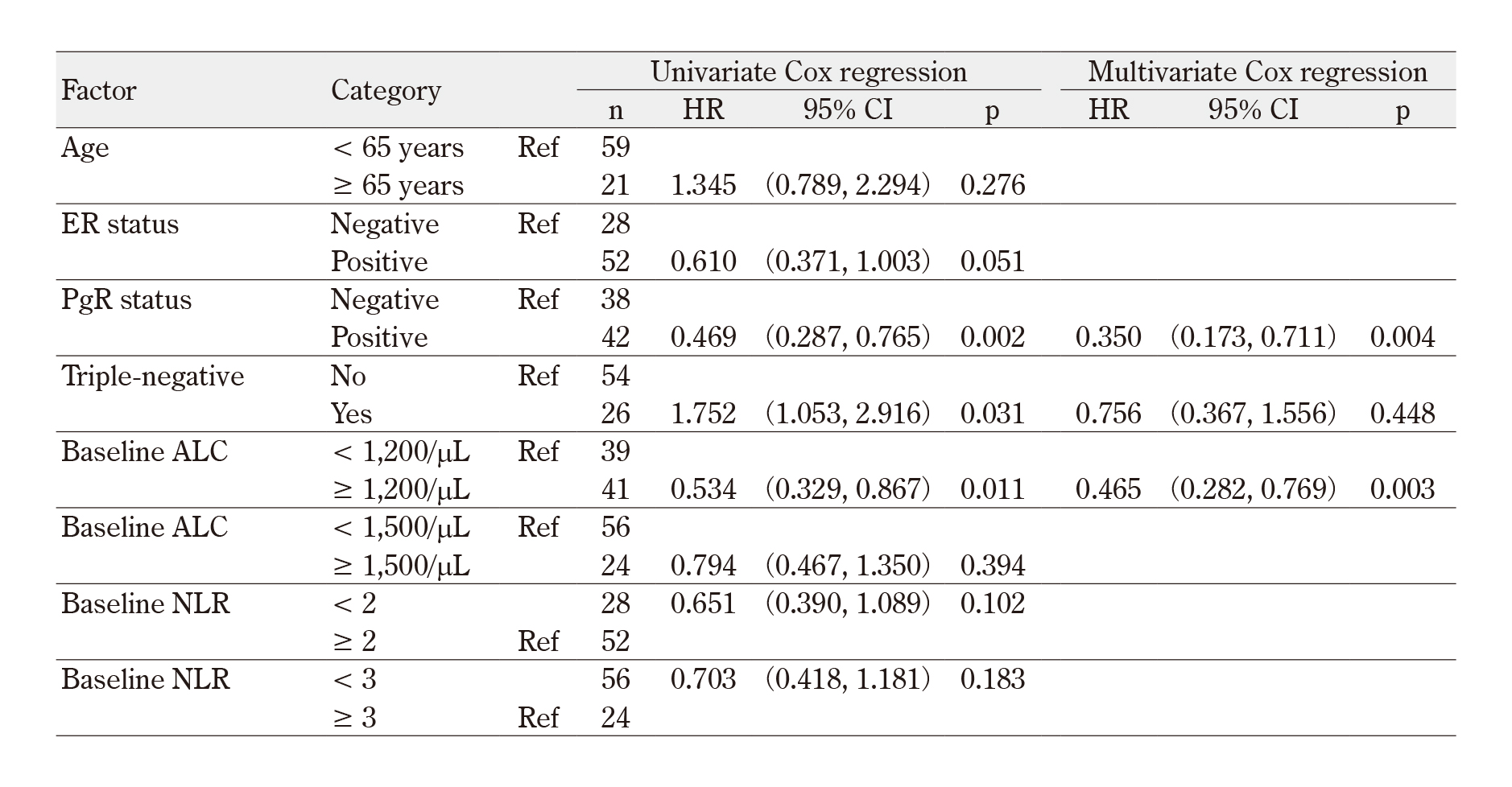
Table 5 Relationship between overall survival by baseline ALC, NLR, and the number of chemotherapy regimens
IV. Discussion
Neutrophils are the primary inflammatory cells involved in tumor cell growth and angiogenesis, modulated by the production of cytokines, chemokines and immunosuppression 17). In addition, lymphocytes also play a role in immunity, and a reduction in their population lowers immune activity against the tumor 18). For this reason, the NLR, which is a composite indicator of neutrophil and lymphocyte counts, has been suggested to be an effective tumor assessment parameter, as it relates to patient survival 10)17).
The mechanism of lymphocyte suppression and reduction involves transforming growth factor beta (TGF-β) signaling. TGF-β is an effector of angiogenesis and is produced by tumor cells and prostaglandin E2 (PGE2), which induces suppressor T cells to suppress cancer antigen-specific T cells 19). Furthermore, the chemokine secretion by tumor cells increases the populations of inflammatory cells such as neutrophils, which are considered to promote tumor cell proliferation via the induction of cytokine secretion from inflammatory cells 20). Thus, neutrophil count increase and lymphocyte count decrease promote the growth of tumor cells and inhibit the cancer immune response.
In recent studies, it has been shown that inflammatory indicators such as ALC, NLR, platelet-to-lymphocyte ratio (PLR), prognostic nutritional index (PNI), and tumor-infiltrating lymphocytes (TIL) are useful for predicting prognosis in BC. ALC in patients with BC with new metastases tends to decrease, and it has been reported that monitoring the changes in ALC may be useful in assessing the response and prognosis to eribulin treatment 21)22). It is also expected that there is a positive correlation between ALC and increased TIL populations 23). NLR is a predictor of complete pathologic response (pCR) in patients with BC after neoadjuvant therapy 24), and elevated NLR and PLR are suggested to be associated with low OS and high risk of recurrence in patients with BC 25). In addition, a comparison of PNI and NLR suggested that PNI is an excellent prognostic marker in eribulin-treated patients with metastatic BC 26). Thus, in recent years, an increasing number of studies have focused on the importance of inflammatory markers as an indicator of systemic tumor immune response. However, previous studies on NLR as a predictor of prognosis in eribulin-treated patients have shown varied results. While many studies have reported an association between bNLR and progression-free survival (PFS) and clinical symptoms 10)27)-29), other studies have contrarily reported that NLR is not a predictor of OS 9)17). One study has reported ALC to be an independent predictor of prolonged OS in eribulin-treated patients with metastatic BC 17).
In this study, we analyzed eribulin-treated patients with recurrent HER2-negative BC to exclude the effects of anti-HER2 therapy from the analysis. The ALC and NLR cut-off values were selected based on receiver operating characteristic curve analyses or cut-off values used in other studies; namely, previously used cut-off values for ALC ranges between 1,000 and 1,500/μL and those for NLR ranges between 2 and 5 9)17)27)-30). To the best of our knowledge, only a limited number of studies have used the median cut-off value that was used in this study. Two cut-off values of bALC and bNLR were used in this study: the median ALC/NLR of the patients in the study (ALC: 1,200/μL, NLR: 2) and the values used in previous studies (ALC: 1,500/μL, NLR: 3). Patients grouped based on the bALC cut‑off of 1,200/μL and bNLR of 2 to compare OS resulted in a significant difference in the median OS (95% CI). The multivariate Cox regression analysis results suggested bALC cut‑off of 1,200/μL to be independently associated with OS, whereas patients with a bALC of ≥ 1,200/μL showed a significantly longer OS than those with bALC of a < 1,200/μL. As lymphocytes are associated with immunity, this finding implicated that patients with a high bALC have stronger anti-tumor immunity. In contrast, no significant differences were observed in the OS between patients with bALC ≥ 1,500/μL and those with bALC < 1,500/μL and between patients with NLR ≥ 3 and those with NLR < 3. As such, this study suggested that the median ALC cut-off value of 1,200/μL of the patients in this study was more effective than the cut-offs of ALC 1,500/μL and NLR 3 used in previous studies for predicting the survival of patients with HER2-negative BC. However, the median bALC and bNLR differ in each study. Moreover, the bALC might be affected by individual patient characteristics 27), so it is difficult to set the cut‑off value for bALC. Similarly, setting the cut‑off value for bNLR is also difficult. Thus, selecting the optimal cut-off value requires further investigation.
In the investigation of the relationship with metastasis, we divided patients with < 3 and ≥ 3 metastasized organs into separate groups, as patients were observed with metastases in multiple organs. The OS in the patients with < 3 metastasized organs was not associated with the bALC and bNLR. However, in patients with ≥3 metastasized
organs, an association was observed between the OS and bALC (cut‑off value: 1,200/μL). A higher number of organs with metastasis is considered to suggest tumor cell proliferation, thus indicating that bALC (cut‑off value: 1,200/μL) is associated with survival. The association between OS and bALC was only observed in patients with ≥ 3 metastasized organs, but the reason is unclear. However, it was suggested that bALC may indicate the effectiveness of eribulin therapy in patients with ≥3 metastasized organs.
We observed an association between the bALC and OS, but not between the bNLR and OS. However, the NLR has been reported to be a general prognostic factor in patients with BC 17); therefore, it is possible that not only the lymphocyte count, but also NLR, which is a combined indicator of neutrophil and lymphocyte counts, is effective for predicting survival. This should be elucidated in further studies.
This study was based on a small number of patients, and the effects of treatments other than eribulin were not taken into account; therefore, it is possible that they influence the results of the analyses. Furthermore, it is also possible that the optimal cut-off value selection differs between individual patients. Thus, future studies should be performed using a higher number of patients for further investigation on bALC and bNLR cut‑off values and the relationship between bALC/bNLR and OS, rate of change in ALC after initiating eribulin therapy, and its relationship with OS.
In summary, this study showed that patients with recurrent HER2-negative BC with bALC ≥ 1,200/μL had
a longer OS than patients with bALC < 1,200/μL, regardless of the number of chemotherapy regimens.
Furthermore, bALC ≥ 1,200/μL was associated with a longer OS in patients with 3 or more metastasized organs, suggesting that bALC ≥ 1,200/μL is an effective indicator for predicting the survival of patients with recurrent HER2-
negative BC. ALC is a simple indicator of immune response that can be obtained by blood tests, and it has the potential for indicating the efficacy of treatment and predicting survival. However, it should be noted that the optimal cut-off value for ALC may change depending on the target patient group.
Conflicts of interest
The authors declare that they have no conflict of interest.
Funding
This work was not funded.
Acknowledgments
We would like to thank all those who cooperated in this study.
Authorship contributions
Seiichi Mokuyasu: Writing – Original draft; Risa Oshitanai: Investigation; Toru Morioka: Investigation; Yuki Saito: Investigation; Yasuhiro Suzuki: Writing – Review and editing.
References
- Bray F, Ferlay J, Soerjomataram I, et al. Global cancer statistics 2018: GLOBOCAN estimates of incidence and mortality worldwide for 36 cancers in 185 countries. CA Cancer J Clin 2018 ; 68(6): 394-424. doi: 10.3322/caac.21492.PubMed
- Lima SM, Kehm RD, Terry MB. Global breast cancer incidence and mortality trends by region, age-groups, and fertility patterns. EClinicalMedicine 2021; 38: 100985. doi: 10.1016/j. eclinm. PubMed
- Halaven (eribulin mesylate) [prescribing information]. Woodcliff Lake, NJ: Eisai Inc. ; 2017.
- Halaven 0.44 mg/ml solution for injection [summary of product characteristics]. Hertfordshire, UK: Eisai Europe Limited ; 2019.
- Halaven [Japanese prescribing information]. Tokyo, Japan: Eisai Co., Ltd ; 2016.
- Cortes J, O’Shaughnessy J, Loesch D, et al. Eribulin monotherapy versus treatment of physician’s choice in patients with metastatic breast cancer (EMBRACE): a phase 3 open-label randomised study. Lancet 2011 ; 377(9769): 914-23. doi: 10.1016/S0140-6736(11)60070-6.PubMed
- Yamanaka T, Matsumoto S, Teramukai S, et al. The baseline ratio of neutrophils to lymphocytes is associated with patient prognosis in advanced gastric cancer. Oncology 2007; 73(3-4): 215-20. doi: 10.1159/000127412.PubMed
- Sarraf KM, Belcher E, Raevsky E, et al. Neutrophil/lymphocyte ratio and its association with survival after complete resection in non-small cell lung cancer. J Thorac Cardiovasc Surg 2009; 137(2): 425-8. doi: 10.1016/j.jtcvs.2008.05.046.PubMed
- Araki K, Ito Y, Fukada I, et al. Predictive impact of absolute lymphocyte counts for progression-free survival in human epidermal growth factor receptor 2-positive advanced breast cancer treated with pertuzumab and trastuzumab plus eribulin or nab-paclitaxel. BMC Cancer 2018; 18(1): 982. doi: 10.1186/s12885-018-4888-2.PubMed
- Miyagawa Y, Araki K, Bun A, et al. Significant association between low baseline neutrophil-to-lymphocyte ratio and improved progression-free survival of patients with locally advanced or metastatic breast cancer treated with eribulin but not with Nab-paclitaxel. Clin Breast Cancer 2018; 18(5): 400-9. doi: 10.1016/j.clbc.2018.03.002.PubMed
- Ueda S, Saeki T, Takeuchi H, et al. In vivo imaging of eribulin-induced reoxygenation in advanced breast cancer patients: a comparison to bevacizumab. Br J Cancer 2016; 114(11): 1212-8. doi: 10.1038/bjc.2016.122.PubMed
- Kashiwagi S, Asano Y, Goto W, et al. Mesenchymal-epithelial transition and tumor vascular remodeling in eribulin chemotherapy for breast cancer. Anticancer Res 2018; 38(1): 401-10. doi: 10.21873/anticanres.12236.PubMed
- Kaul R, Risinger AL, Mooberry SL. Eribulin rapidly inhibits TGF-β-induced Snail expression and can induce Slug expression in a Smad4-dependent manner. Br J Cancer 2019; 121(7): 611-21. doi: 10.1038/s41416-019-0556-9.PubMed
- Goto W, Kashiwagi S, Asano Y, et al. Eribulin promotes antitumor immune responses in patients with locally advanced or metastatic breast cancer. Anticancer Res 2018; 38(5): 2929-38. doi: 10.21873/anticanres.12541.PubMed
- Ito K, Hamamichi S, Abe T, et al. Antitumor effects of eribulin depend on modulation of the tumor microenvironment by vascular remodeling in mouse models. Cancer Sci 2017; 108(11): 2273-80. doi: 10.1111/cas.13392.PubMed
- Hong J, Chen X, Gao W, et al. A high absolute lymphocyte count predicts a poor prognosis in HER-2- positive breast cancer patients treated with trastuzumab. Cancer Manag Res 2019; 11: 3371-9. doi: 10.2147/CMAR.S187233.PubMed
- Miyoshi Y, Yoshimura Y, Saito K, et al. High absolute lymphocyte counts are associated with longer overall survival in patients with metastatic breast cancer treated with eribulin-but not with treatment of physician’s choice-in the EMBRACE study. Breast Cancer 2020; 27(4): 706-15. doi: 10.1007/s12282-020-01067-2.PubMed
- Terzić J, Grivennikov S, Karin E, et al. Inflammation and colon cancer. Gastroenterology 2010; 138(6): 2101-14. doi: 10.1053/j.gastro.2010.01.058.PubMed
- Scarlett UK, Rutkowski MR, Rauwerdink AM, et al. Ovarian cancer progression is controlled by phenotypic changes in dendritic cells. J Exp Med 2012; 209(3): 495-506. doi: 10.1084/jem.20111413.PubMed
- Koizumi K, Hojo S, Akashi T, et al. Chemokine receptors in cancer metastasis and cancer cell-derived chemokines in host immune response. Cancer Sci 2007; 98(11): 1652-8. doi: 10.1111/j.1349-7006.2007.00606.x.PubMed
- Goto W, Kashiwagi S, Takada K, et al. Utility of follow-up with absolute lymphocyte count in patients undergoing eribulin treatment for early detection of progressive advanced or metastatic breast cancer. Anticancer Res 2022; 42(2): 939-46. doi: 10.21873/anticanres.15553.PubMed
- Morisaki T, Kashiwagi S, Asano Y, et al. Prediction of survival after eribulin chemotherapy for breast cancer by absolute lymphocyte counts and progression types. World J Surg Oncol 2021; 19(1): 324. doi: 10.1186/s12957-021-02441-w.PubMed
- Altundag K. Is there any association between absolute lymphocyte count and increased tumor-infiltrating lymphocytes in metastatic sites in advanced breast cancer patients who get benefit from eribulin treatment? Breast Cancer Res Treat 2020; 181(3): 691. doi: 10.1007/s10549-020-05649-8.PubMed
- Cullinane C, Creavin B, O’Leary DP, et al. Can the neutrophil to lymphocyte ratio predict complete pathologic response to neoadjuvant breast cancer treatment? A systematic review and meta-analysis. Clin Breast Cancer 2020; 20(6): e675-e681. doi: 10.1016/j.clbc.2020.05.008.PubMed
- Guo W, Lu X, Liu Q, et al. Prognostic value of neutrophil-to-lymphocyte ratio and platelet-to-lymphocyte ratio for breast cancer patients: An updated meta-analysis of 17079 individuals. Cancer Med 2019; 8(9): 4135-48. doi: 10.1002/cam4.2281.PubMed
- Oba T, Maeno K, Ono M, et al. Prognostic nutritional index is superior to neutrophil-to-lymphocyte ratio as a prognostic marker in metastatic breast cancer patients treated with eribulin. Anticancer Res 2021; 41(1): 445-52. doi: 10.21873/anticanres.14794.PubMed
- Ueno A, Maeda R, Kin T, et al. Utility of the absolute lymphocyte count and neutrophil/lymphocyte ratio for predicting survival in patients with metastatic breast cancer on eribulin: a real-world observational study. Chemotherapy 2019; 64(5-6): 259-69. doi: 10.1159/000507043.PubMed
- Myojin M, Horimoto Y, Ito M, et al. Neutrophil-to-lymphocyte ratio and histological type might predict clinical responses to eriburin-based treatment in patients with metastatic breast cancer. Breast Cancer 2020; 27(4): 732-8. doi: 10.1007/s12282-020-01069-0.PubMed
- Li X, Dai D, Chen B, et al. The value of neutrophil-to-lymphocyte ratio for response and prognostic effect of neoadjuvant chemotherapy in solid tumors: A systematic review and meta-analysis. J Cancer 2018; 9(5): 861-71. doi: 10.7150/jca.23367.PubMed
- Watanabe J, Saito M, Horimoto Y, et al. A maintained absolute lymphocyte count predicts the overall survival benefit from eribulin therapy, including eribulin re-administration, in HER2-negative advanced breast cancer patients: a single-institutional experience. Breast Cancer Res Treat 2020; 181(1): 211-20. doi: 10.1007/s10549-020-05626-1.PubMed